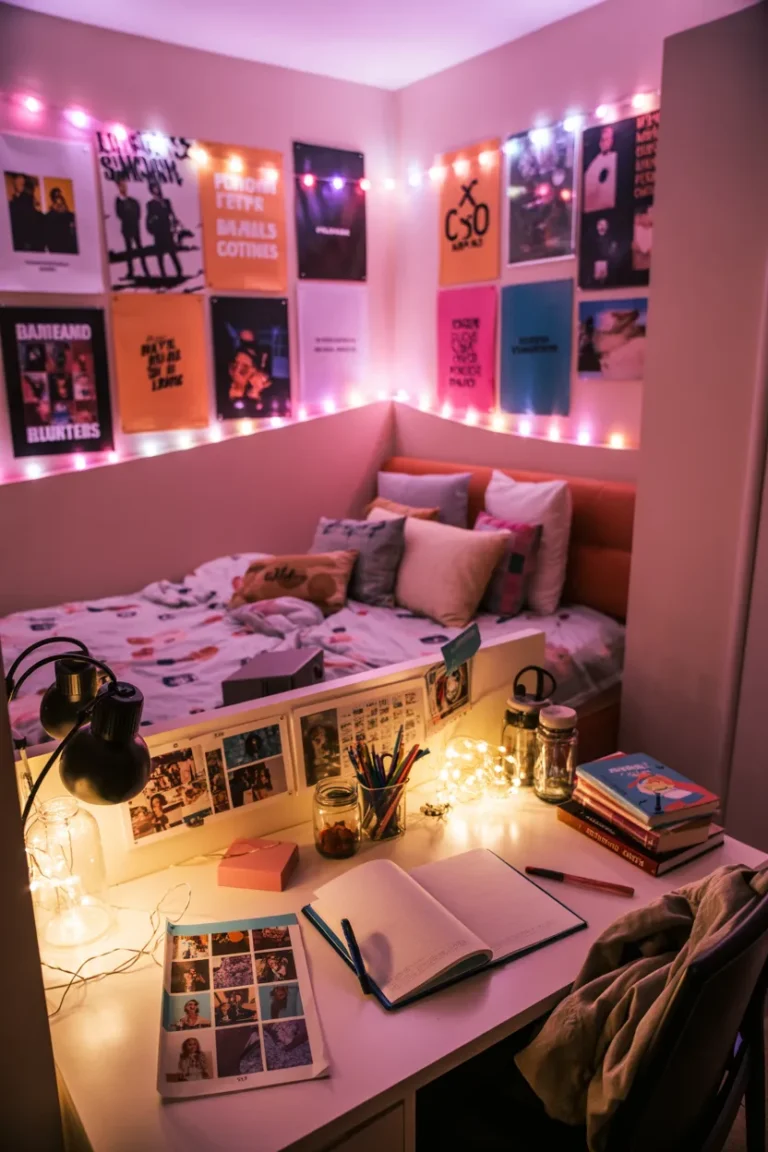
Small Budget Dream Bedroom: How to Create a Beautiful Space Without Spending a Fortune
Creating your dream bedroom doesn’t require a huge budget—it requires smart decisions, creativity, and intentional design. Whether you’re working with a small space or just want to refresh your room without overspending, this guide will show you exactly how to build a small budget dream bedroom that looks high-end, feels cozy, and functions perfectly.
1. Start With a Clear Vision (Before You Spend Anything)
Before buying décor or furniture, define your style. Do you want cozy, minimal, modern, or soft aesthetic? This step prevents wasted money and keeps your space cohesive.
Think of it like planning a Small Garden Design—you need structure before adding elements.
Why this works:
You avoid impulse purchases and create a more polished final result.
How to make it better:
Create a Pinterest board or mood board and stick to 2–3 core colors and textures.

2. Choose a Budget-Friendly Color Palette
Paint is one of the cheapest ways to transform a room. Stick to neutral tones like white, beige, or soft gray for a clean, elevated look.
Why this works:
Light colors make a room feel bigger, brighter, and more expensive.
How to make it better:
Add contrast with small accents like pillows or throws instead of repainting multiple walls.

3. Upgrade Your Bedding (Big Impact, Low Cost)
Your bed is the focal point of your room. Investing in affordable but stylish bedding can instantly elevate the space.
Layer:
- Neutral sheets
- A textured duvet
- 2–4 pillows
Why this works:
Creates a “hotel-like” feel without spending much.
How to make it better:
Stick to one color palette and mix textures (linen, cotton, knit) for depth.

4. Rearrange Before You Replace
Before buying new furniture, try rearranging what you already have. A better layout can completely change how your room feels.
This follows the same principle as a Best Garden Layout—placement matters more than quantity.
Why this works:
Costs nothing but can dramatically improve flow and space.
How to make it better:
Keep pathways clear and position your bed as the main focal point.

5. Use Affordable Wall Decor
Blank walls can make even a clean room feel unfinished, but you don’t need expensive artwork to fix that. There are plenty of budget-friendly options that still look high-end if styled correctly.
Budget ideas:
- Printable art (download + print at home or a local shop)
- DIY gallery wall using frames from discount stores
- Mirrors to reflect light and make the room feel bigger
- Minimal wall shelves with small decor pieces
You can even frame fabric, magazine pages, or black-and-white photos to create a cohesive look. The key is consistency—stick to one theme, color palette, or frame style so it feels intentional rather than random.
Why this works:
Wall decor adds personality and depth, making your room feel complete without requiring a large investment.
How to make it better:
Plan your layout before hanging anything. Lay frames on the floor first to visualize spacing, and keep alignment clean (either symmetrical or evenly spaced). Avoid overcrowding—negative space is just as important as the decor itself.

6. Add Lighting That Feels Expensive
Lighting is one of the most underrated upgrades in a bedroom. The right lighting can instantly change the mood from basic to cozy and elevated.
Use:
- Warm bedside lamps for soft ambient light
- String lights for a relaxed, aesthetic feel
- LED light strips behind the bed or under furniture
- A simple floor lamp to add height and dimension
Layering different light sources creates depth and flexibility. Instead of relying on one harsh overhead light, you can adjust the atmosphere depending on the time of day or mood.
Why this works:
Soft, warm lighting makes a space feel inviting and more “luxury,” even if everything else is budget-friendly.
How to make it better:
Use warm bulbs (around 2700K–3000K) and avoid overly bright white lighting. Place lights at different heights—bedside, floor, and wall—to create a layered effect that feels professionally designed.

7. Incorporate Soft Textures
Texture is what transforms a room from flat to cozy. Even with a neutral color palette, layering different materials adds warmth and visual interest.
Add:
- Throw blankets (knit, fleece, or woven)
- Area rugs to soften hard floors
- Curtains that frame the space
- Decorative pillows with subtle patterns or textures
Instead of adding more items, focus on upgrading the feel of what you already have. A simple bed can look high-end with the right layering.
Why this works:
Textures create comfort and depth without cluttering the space, making your room feel more inviting and lived-in.
How to make it better:
Stick to 2–3 complementary textures and keep colors within the same palette. Too many contrasting materials can make the room feel busy rather than cohesive.

8. Use Multi-Functional Furniture
When you’re working with a small space or limited budget, every piece of furniture should serve more than one purpose. This reduces clutter and eliminates the need for additional purchases.
Examples:
- Storage ottoman that doubles as seating
- Bed frames with built-in drawers
- Floating shelves that replace bulky nightstands
- Foldable desks or tables
This approach helps you maximize both space and budget while keeping your room clean and efficient.
Why this works:
Multi-functional furniture saves money, reduces clutter, and makes small spaces feel more open and organized.
How to make it better:
Prioritize hidden storage solutions so items are out of sight. Choose furniture with simple designs and neutral colors so it blends seamlessly with your overall aesthetic.

9. Declutter and Simplify
One of the most powerful (and free) ways to upgrade your bedroom is by removing unnecessary items. A cluttered room can feel stressful and smaller than it actually is.
Start by:
- Clearing surfaces like nightstands and dressers
- Removing items you don’t use regularly
- Organizing clothes, accessories, and personal items
Think of your room as a curated space rather than a storage area.
Why this works:
A clean, uncluttered room instantly feels more spacious, calm, and expensive.
How to make it better:
Adopt a simple rule: if it doesn’t serve a purpose or add value to the space, it doesn’t belong. Regularly reassess your items to maintain a clean environment.

10. Add Greenery (Even on a Budget)
Plants are one of the easiest ways to elevate a bedroom without spending much. They bring life, color, and a natural element that softens the space.
Budget options:
- Small potted plants (snake plant, pothos, or succulents)
- Cut stems in a vase for a minimalist look
- High-quality faux plants if maintenance is an issue
Even one well-placed plant can make a noticeable difference in how your room feels.
Why this works:
Greenery adds freshness and a sense of calm, making your room feel more inviting and balanced.
How to make it better:
Choose simple, neutral pots that match your decor. Avoid adding too many plants—1 to 3 is usually enough for a small bedroom to maintain a clean aesthetic.

11. Upgrade Small Details
Small details are what separate a basic room from a polished, intentional one. You don’t need to replace major furniture—just focus on the finishing touches.
Easy upgrades:
- Swap out pillow covers for a fresh look
- Change drawer handles or knobs
- Add a decorative tray for organizing small items
- Use matching containers or baskets for storage
These subtle changes can tie your entire room together without a big investment.
Why this works:
Details create a cohesive, styled look that makes the room feel thoughtfully designed.
How to make it better:
Stick to consistent finishes (like gold, black, or wood tones) across all accents. This creates harmony and makes even inexpensive items look more elevated and intentional.
12. DIY Where You Can
DIY projects are one of the best ways to create a dream bedroom on a budget while adding a personal touch. Instead of buying new items, look at what you already own and think about how it can be refreshed or repurposed.
Ideas:
- Paint old furniture to give it a modern look
- Create your own wall art using canvas, prints, or fabric
- Upgrade basic lamps with new shades or paint
- Repurpose baskets, jars, or trays for storage and decor
DIY allows you to customize your space exactly to your style without paying premium prices. Even small changes—like painting a nightstand or creating a simple gallery wall—can have a big visual impact.
Why this works:
It significantly reduces costs while making your space feel unique and intentional rather than generic.
How to make it better:
Stick to simple, clean projects that align with your overall aesthetic. Avoid overcomplicating DIYs—minimal, well-executed pieces always look more elevated than overly detailed ones.

13. Create a Cozy Corner
Even in a small bedroom, creating a dedicated cozy corner can add both function and comfort. This space can be used for reading, relaxing, or simply unwinding at the end of the day.
Add:
- A compact chair, bench, or floor cushion
- A soft throw blanket
- A small lamp or warm lighting source
- A side table or tray for books or drinks
Position this area near natural light if possible to make it feel more inviting. It doesn’t need to be large—just intentional.
Why this works:
It adds a second function to your room, making it feel more like a lifestyle space rather than just a place to sleep.
How to make it better:
Keep it minimal and avoid overcrowding. Choose pieces that match your overall design style so the corner blends seamlessly with the rest of the room.

14. Stick to a Cohesive Style
A common mistake in budget decorating is mixing too many styles, colors, and finishes. This can make a room feel chaotic instead of curated. Choosing one clear direction—whether it’s minimal, cozy, modern, or Scandinavian—helps everything come together.
Why this works:
A cohesive style makes even inexpensive items look intentional and well-designed.
How to make it better:
Limit your color palette to 2–3 main tones and repeat materials (like wood, metal, or fabric) throughout the room. This creates visual consistency and a more polished final look.
15. Focus on What Matters Most
When working with a budget, it’s important to prioritize the elements that have the biggest impact. Instead of trying to upgrade everything at once, focus on the areas that define the room.
Start with:
- Bedding (largest visual element)
- Lighting (sets the mood)
- Layout (affects functionality)
Once these are in place, you can slowly build out the rest of the space.
Why this works:
It prevents overspending and ensures your money goes toward the most noticeable improvements.
How to make it better:
Create a simple priority list before shopping. This keeps you focused and helps avoid impulse purchases that don’t add real value to your space.
16. Maintain and Refresh Regularly
A dream bedroom isn’t just about how it looks on day one—it’s about how it’s maintained over time. Small, consistent updates can keep your space feeling fresh without requiring a full makeover.
Examples:
- Rotate pillow covers or throws seasonally
- Rearrange decor occasionally
- Refresh bedding or curtains when needed
Regular maintenance also includes keeping the space clean and organized, which plays a huge role in how the room feels.
Why this works:
It extends the life of your design and keeps your bedroom feeling new without additional costs.
How to make it better:
Set a routine—monthly or seasonal—to evaluate your space and make small adjustments. This keeps your room evolving without overwhelming effort.
17. Use Mirrors to Expand the Space
Mirrors are one of the most effective tools for making a small bedroom feel larger and brighter. They reflect light and create the illusion of depth, which is especially useful in compact spaces.
Placement ideas:
- Opposite a window to reflect natural light
- Behind a nightstand or dresser
- Leaning full-length mirror against a wall
Why this works:
It visually doubles the space and enhances brightness without adding clutter.
How to make it better:
Choose simple, clean frames that match your style. Avoid overly bulky or ornate designs that can overwhelm a small room.
18. Keep the Floor Space Open
One of the easiest ways to make a small bedroom feel bigger is by keeping as much floor space visible as possible. Avoid filling every corner with furniture or decor.
Strategies:
- Use wall-mounted shelves instead of bulky furniture
- Choose furniture with legs to create openness underneath
- Limit large items to only what you truly need
Why this works:
Open floor space creates a sense of flow and makes the room feel less cramped.
How to make it better:
Be intentional with every piece you add. Before bringing something new into the room, ask if it adds value or just takes up space. This mindset helps maintain a clean, spacious feel long-term.
FAQs
What makes a bedroom Scandinavian style?
Scandinavian style focuses on minimalism, neutral colors, natural materials, and functional design.
How do you make a small bedroom look aesthetic?
Use light colors, minimize clutter, add texture, and focus on smart layout and lighting.
What colors are best for a small Scandinavian bedroom?
White, beige, soft gray, and muted earth tones work best.
How can I make my bedroom look bigger?
Use mirrors, keep furniture low, maximize light, and avoid overcrowding.