
29 Smart Kitchen Living Room Open Concept Small Apartment Ideas That Maximize Space & Style (2026)
Designing a kitchen living room open concept small apartment can feel overwhelming—but when done right, it becomes one of the most functional and beautiful layouts you can have. The key is balancing flow, storage, and style without making the space feel cramped.
This guide is built specifically for Pinterest users and SEO—meaning it’s packed with practical ideas, layout strategies, and aesthetic inspiration you can actually apply.
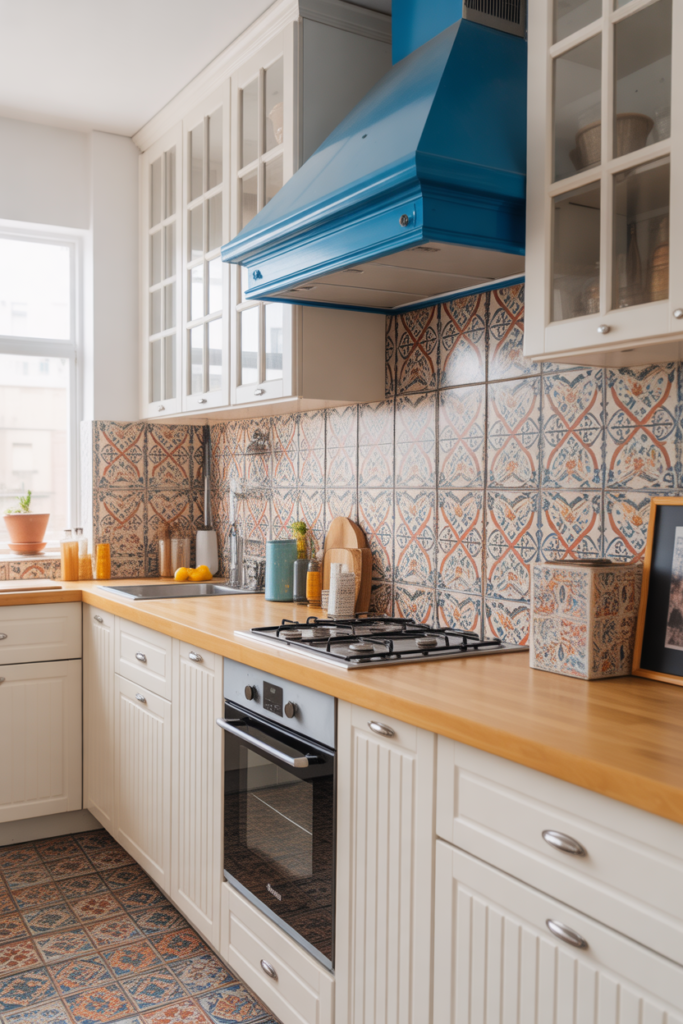
1. Define Zones Without Walls
In a Small Kitchen Living Room Open Concept, the biggest challenge is creating separation without physical barriers. Since you don’t have walls, you need to visually “zone” each area so it feels organized rather than chaotic.
Use:
- Rugs to anchor the living room area
- Lighting (pendants vs lamps) to define each zone
- Furniture placement (like a sofa or console) to act as a divider
- A small dining table or island as a transition piece
You can also subtly shift materials—like using a different texture in the kitchen backsplash versus the living room textiles—to create distinction.
Why this works:
It gives structure and purpose to each area while maintaining the openness that makes small apartments feel bigger.
How to make it better:
Keep transitions soft, not harsh. Avoid drastic color or style changes between zones. The goal is separation with flow—not division.
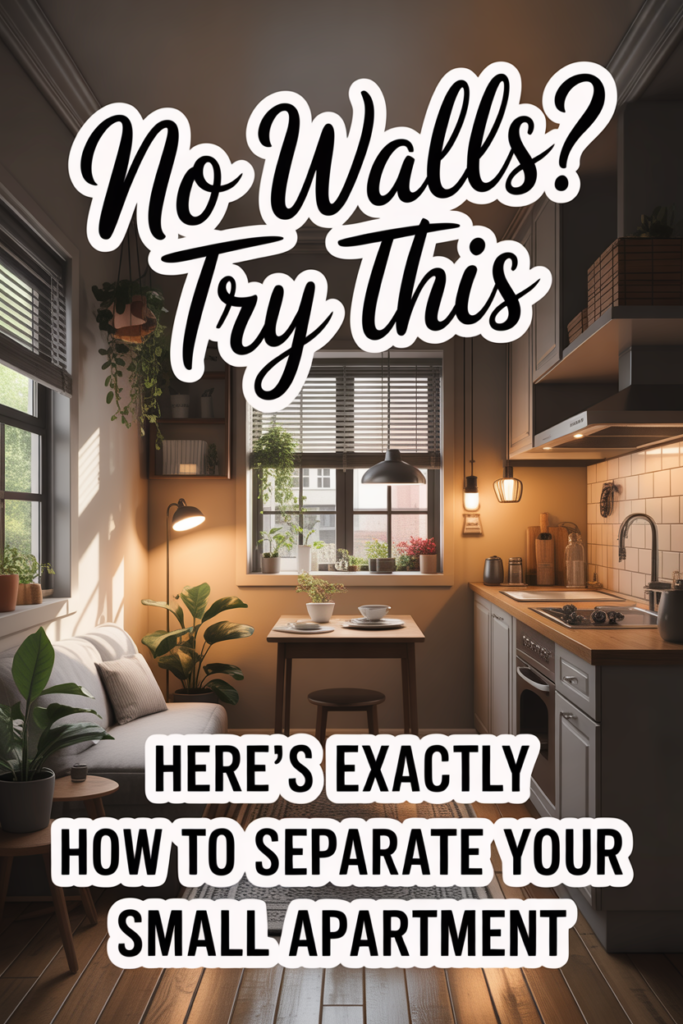
2. Choose a Cohesive Color Palette
In an Open Space Living Room And Kitchen, everything is visible at once—so your color palette needs to tie the entire space together.
Stick to:
- Neutral base tones (white, beige, light gray)
- Natural elements (wood, stone textures)
- 1–2 accent colors (black, olive, muted blue, or warm metals)
Instead of treating the kitchen and living room as separate, design them as one continuous space. Cabinets, furniture, and decor should all feel like they belong to the same story.
Why this works:
A cohesive palette eliminates visual clutter and makes the apartment feel larger and more polished.
How to make it better:
Repeat materials and colors throughout—like matching wood tones in both the kitchen and living room. This creates a seamless, designer-level finish.
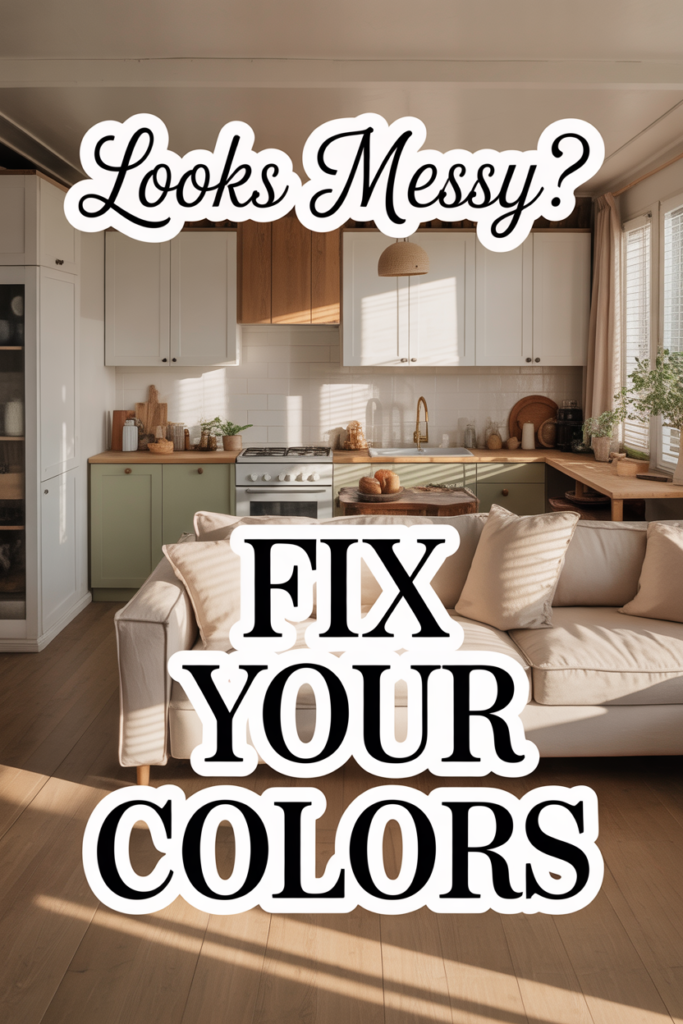
3. Use Multi-Functional Furniture
A Studio Kitchen Living Room Combo requires furniture that maximizes both space and function. Every piece should earn its place.
Examples:
- Storage ottomans that double as seating
- Extendable or foldable dining tables
- Sofa beds for guests
- Coffee tables with hidden compartments
Think beyond traditional furniture roles—your dining table can also be a workspace, and your island can double as a dining area.
Why this works:
It reduces the number of items in the space while increasing usability—essential in small apartments.
How to make it better:
Choose furniture with clean lines and neutral tones so it blends into the space instead of visually crowding it.
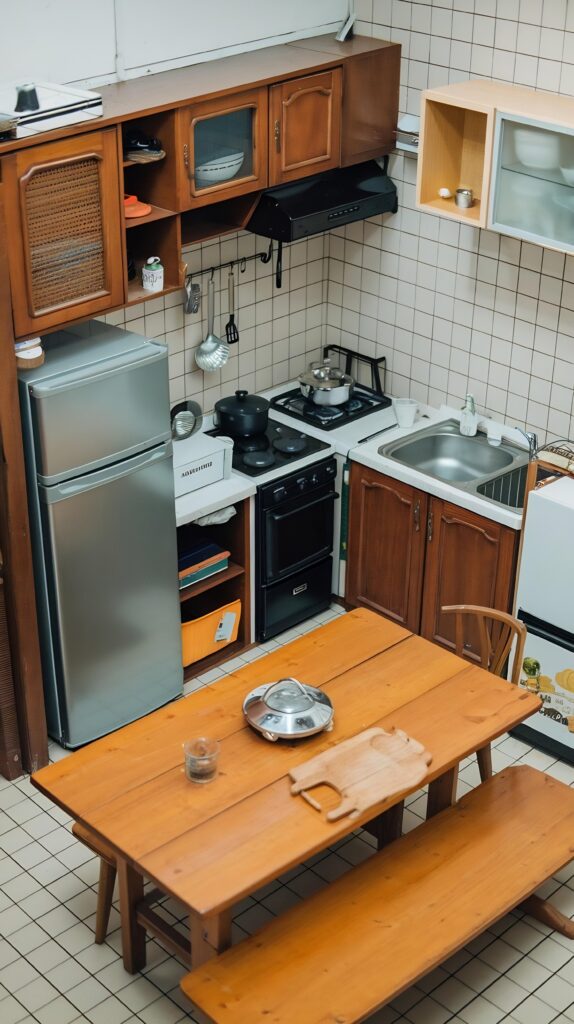
4. Keep the Layout Open and Airy
In an Open Kitchen And Living Room Small Space, layout is everything. Even a few inches can impact how the space feels and functions.
Focus on:
- Keeping pathways clear
- Avoiding bulky furniture
- Allowing natural light to flow freely
Avoid placing tall or heavy items between the kitchen and living area, as this can block sightlines and make the space feel smaller.
Why this works:
An open, unobstructed layout makes the apartment feel more spacious and breathable.
How to make it better:
Opt for low-profile furniture and avoid pushing everything against the walls—floating furniture slightly can actually improve flow.
5. Use a Small Dining Table or Island
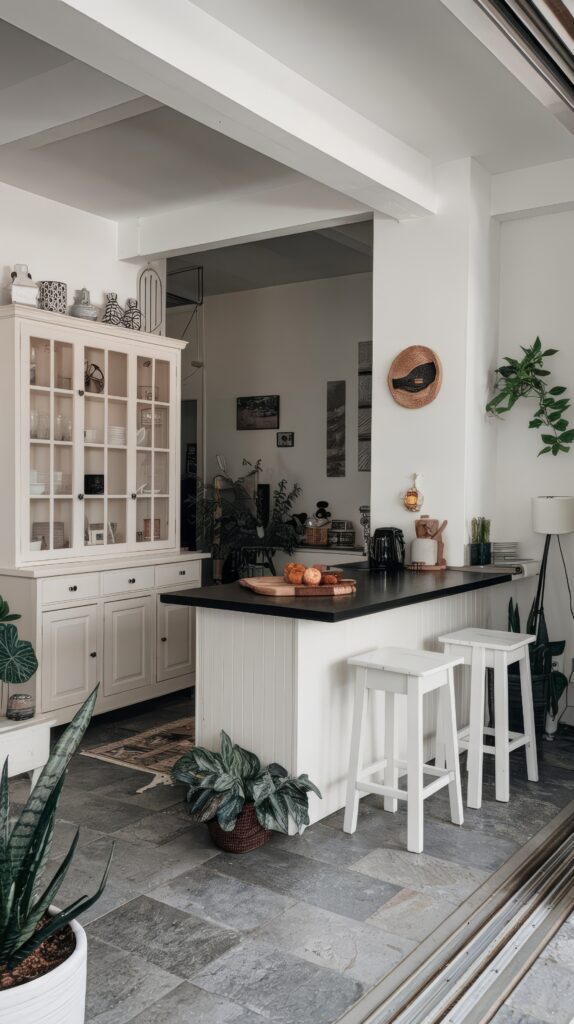
In a Small Living Room Kitchen Combo Layout, your dining area needs to be compact but functional. You don’t need a large table—just a smart one.
Options:
- Round tables (better for flow in tight spaces)
- Drop-leaf or foldable tables
- Slim kitchen islands with seating
- Bar-height counters with stools
Position your dining area between the kitchen and living room to act as a natural transition zone.
Why this works:
It adds functionality without overwhelming the space and helps define zones in an open layout.
How to make it better:
Choose lightweight or transparent materials (like glass or slim wood) to keep the space visually open and uncluttered.
6. Add Vertical Storage
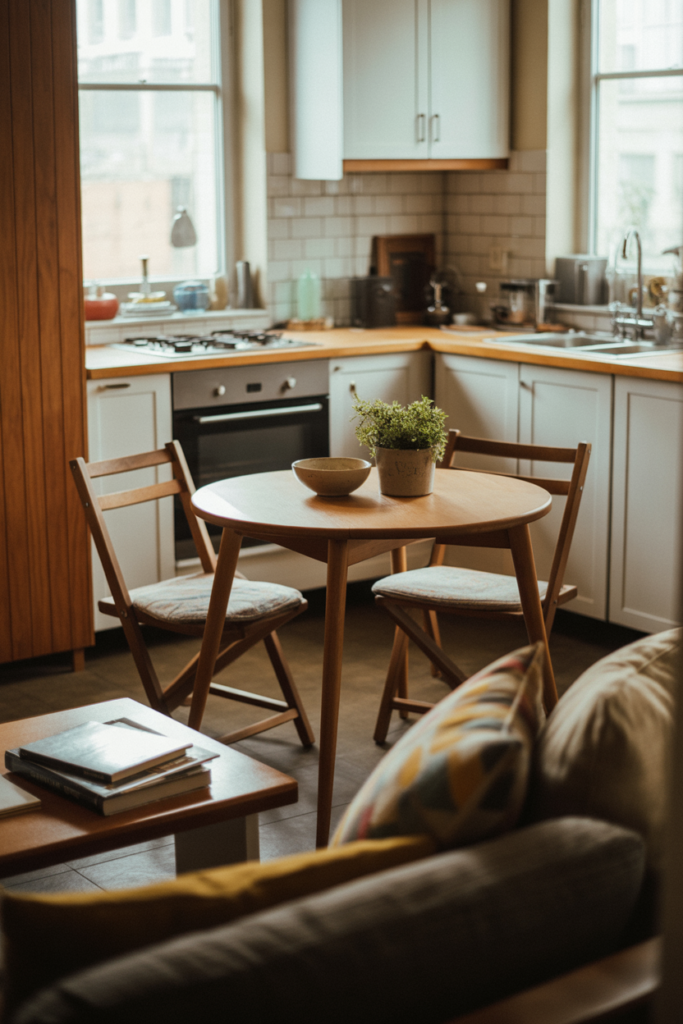
Storage is one of the biggest challenges in a Living Room And Kitchen Together Small Open Concept—and the solution is to build upward.
Use:
- Wall-mounted shelves
- Hanging kitchen racks
- Tall cabinets or narrow storage units
- Over-the-door organizers
Vertical storage keeps your floor space clear while still giving you room to store essentials.
Why this works:
It maximizes storage capacity without sacrificing valuable square footage.
How to make it better:
Keep shelves organized and styled intentionally—mix functional items with a few decorative pieces to maintain a clean aesthetic.
7. Stick to Minimal Decor
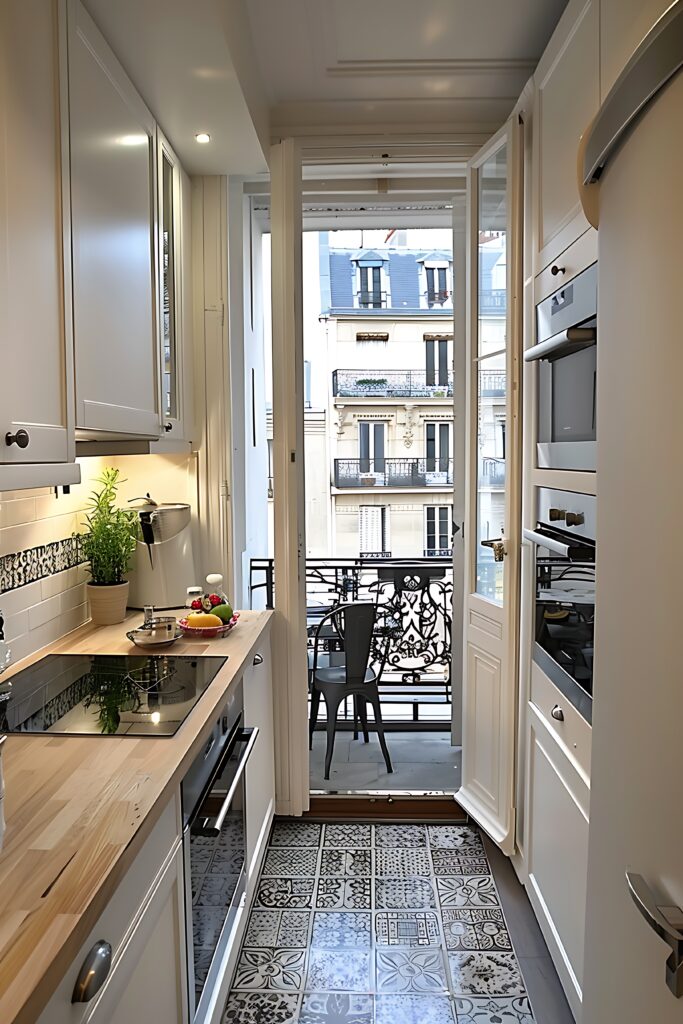
In a Small Open Concept Kitchen Living Room Layout, too much decor can quickly make the space feel crowded and overwhelming.
Instead:
- Choose a few statement pieces
- Keep surfaces clean and uncluttered
- Focus on quality over quantity
Decor should enhance the space—not compete with it.
Why this works:
Minimal decor keeps the space feeling open, calm, and visually balanced.
How to make it better:
Rotate decor seasonally instead of adding more. This keeps your space fresh without increasing clutter.
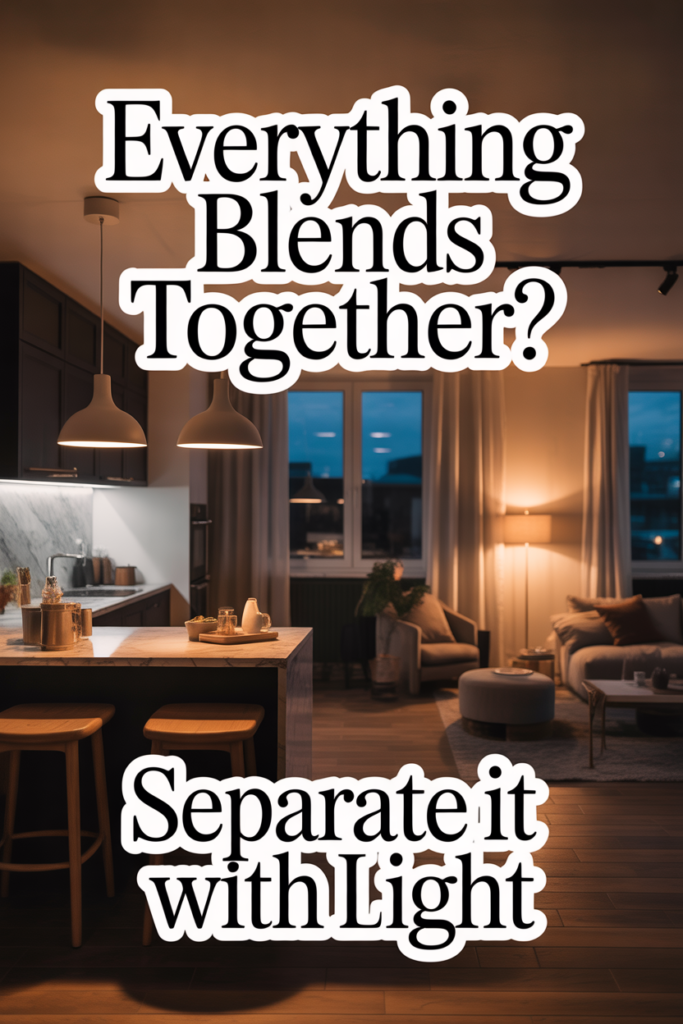
8. Use Lighting to Separate Spaces
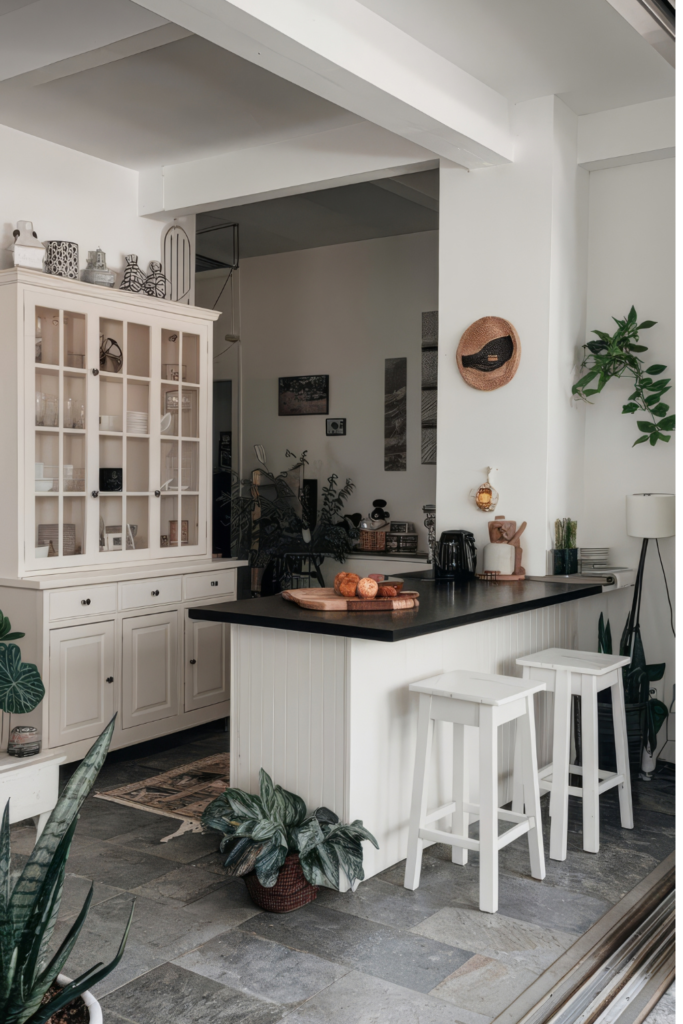
Lighting is one of the most powerful tools in a Tiny Open Kitchen And Living Room. It allows you to define areas without adding physical barriers.
Use:
- Pendant lights over the kitchen or island
- Floor or table lamps in the living area
- Under-cabinet lighting for functionality
Each type of lighting signals a different function within the same space.
Why this works:
It creates subtle zoning while enhancing both functionality and ambiance.
How to make it better:
Use warm, consistent lighting throughout to maintain cohesion. Avoid mixing too many different light temperatures, which can disrupt the flow of the space.
9. Incorporate Mirrors for Depth
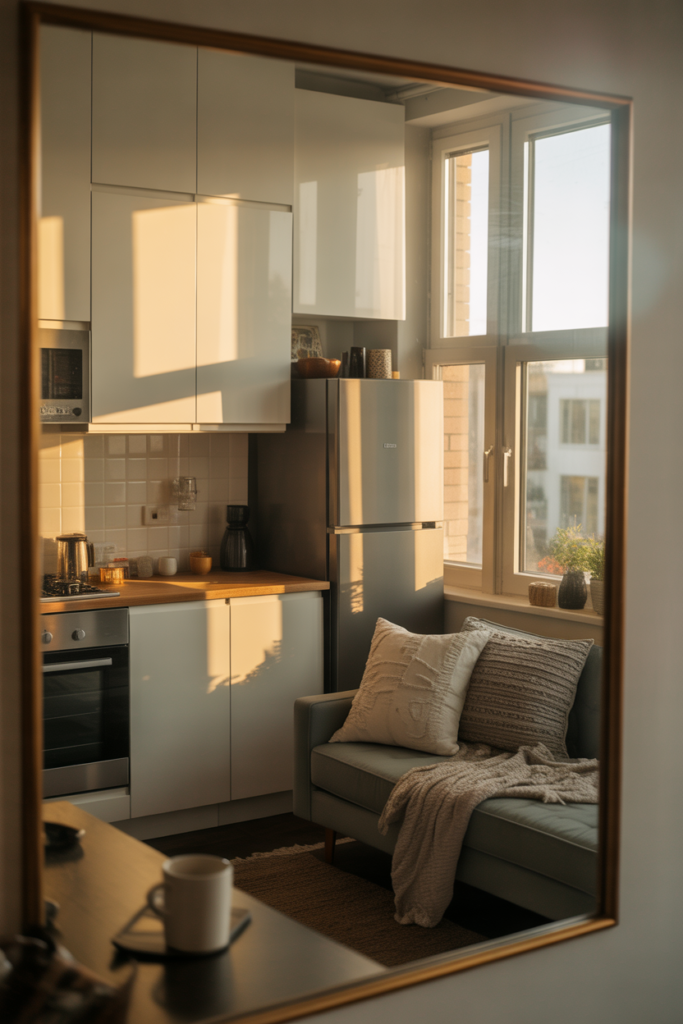
Mirrors are one of the most effective tools you can use in Small Open Kitchen And Living Room Ideas Tiny Apartments. In an open concept layout, they don’t just serve a decorative purpose—they actively enhance how the space feels.
Strategic placement ideas:
- Across from windows to reflect natural light
- Behind a dining table or sofa to create depth
- As part of a gallery wall for both function and style
- Full-length mirrors leaning against a wall to visually extend height
Mirrors can also help “double” visual elements—like reflecting your kitchen or living area—which tricks the eye into seeing more space than actually exists.
Why this works:
It increases brightness, expands visual depth, and makes a small apartment feel significantly larger and more open.
How to make it better:
Choose mirrors with simple frames or frameless designs to avoid visual heaviness. Position them intentionally—random placement can feel cluttered instead of enhancing the layout.
10. Use Rugs to Anchor the Living Area
In an Open Kitchen And Living Room Small Space, rugs are essential for defining where the living room begins and ends. Since there are no walls, the rug becomes the visual boundary.
Best practices:
- Place the rug under the front legs of your sofa and chairs
- Ensure it’s large enough to anchor the main seating area
- Choose textures that complement your furniture
A rug also adds warmth and softness, especially if your apartment has hard flooring throughout.
Why this works:
It creates a clear visual zone, making your layout feel organized rather than scattered.
How to make it better:
Avoid rugs that are too small—they can make the space feel disconnected. Stick to neutral or subtle patterns that tie into your overall color palette.
11. Keep Kitchen Clutter Hidden
In a Small Kitchen Living Room Open Concept, your kitchen is always visible—so clutter can quickly affect the entire space.
Focus on:
- Keeping countertops clear
- Using storage containers for dry goods
- Organizing cabinets efficiently
- Hiding small appliances when not in use
Even everyday items like dish soap, utensils, and appliances should be streamlined to maintain a clean aesthetic.
Why this works:
A tidy kitchen makes the entire open concept area feel more polished, calm, and spacious.
How to make it better:
Use matching containers, trays, and organizers to create visual consistency. Group similar items together to avoid a scattered look.
12. Choose Light, Reflective Materials
Materials play a major role in how an Open Space Living Room And Kitchen feels. Light and reflective surfaces help bounce light around the room, enhancing brightness and openness.
Incorporate:
- Glossy or semi-gloss cabinetry
- Glass tables or decor
- Light-colored countertops
- Metallic accents (like brushed gold or chrome)
These elements subtly reflect light without overwhelming the space.
Why this works:
Reflective materials amplify natural and artificial light, making the apartment feel larger and more open.
How to make it better:
Balance reflective surfaces with soft textures (like rugs or fabric) to avoid a space that feels too cold or sterile.
13. Use Open Shelving Strategically
Open shelving is popular in Studio Kitchen Living Room Combo layouts because it keeps the space feeling airy—but it requires careful styling.
Use open shelves for:
- Frequently used kitchen items
- Minimal decor pieces
- Matching dishware or glassware
Keep everything organized and intentional—open shelving exposes everything, so clutter becomes very noticeable.
Why this works:
It reduces visual bulk compared to closed cabinets and helps maintain an open, breathable feel.
How to make it better:
Limit the number of items on each shelf and stick to a consistent color palette. Mix functional items with a few decorative pieces to keep it balanced.
14. Create a Focal Point
Every Small Open Concept Kitchen Living Room Layout needs a focal point to anchor the design. Without one, the space can feel directionless.
Focal point ideas:
- A statement light fixture
- A bold sofa or coffee table
- A feature wall or artwork
- A styled kitchen island
The focal point draws attention and helps organize the visual flow of the space.
Why this works:
It gives the eye a place to rest, making the space feel more intentional and designed.
How to make it better:
Keep surrounding elements simple so the focal point stands out. Avoid competing focal points—choose one main feature and support it with subtle design choices.
15. Use Compact Appliances
In Small Open Kitchen And Living Room Ideas, oversized appliances can quickly overwhelm the space. Choosing compact, apartment-friendly appliances helps maintain balance and functionality without sacrificing style.
Consider:
- Slim refrigerators
- Two-burner cooktops
- Compact microwaves or combination ovens
- Space-saving dishwashers
Built-in or integrated appliances are especially effective because they blend seamlessly with cabinetry, reducing visual clutter.
Why this works:
Smaller appliances free up valuable counter and storage space, making the kitchen feel less crowded and more efficient.
How to make it better:
Opt for appliances with clean, minimal finishes (like stainless steel, matte black, or panel-ready designs) so they visually integrate into your Small Open Concept Kitchen Living Room Layout.
16. Keep Walkways Clear
Flow is critical in an Open Space Living Room And Kitchen. Even a well-designed space can feel cramped if movement is restricted.
Focus on:
- Maintaining clear walking paths between zones
- Avoiding furniture that blocks transitions
- Keeping high-traffic areas open
Think of your layout as a pathway system—every zone should be easy to access without obstacles.
Why this works:
Clear walkways improve both functionality and comfort, making the space feel larger and more livable.
How to make it better:
Aim for at least 2–3 feet of walking space where possible. Rearrange furniture if needed to improve flow without adding more pieces.
17. Add Greenery for Balance
Plants are a simple but powerful addition to a Living Room And Kitchen Together Small Open Concept. They soften hard surfaces and bring life into the space.
Ideas:
- Small potted herbs in the kitchen
- A medium plant near the sofa
- Hanging plants to save space
Greenery also helps visually connect the kitchen and living room areas.
Why this works:
It adds warmth, texture, and a natural element that balances the clean lines of modern interiors.
How to make it better:
Choose low-maintenance plants and keep the number limited to avoid clutter. Use consistent planters to maintain a cohesive aesthetic.
18. Use a Consistent Flooring Style
In a Small Kitchen Living Room Open Concept, flooring should feel continuous. Breaking up flooring between the kitchen and living room can visually shrink the space.
Stick to:
- One flooring material throughout (wood, laminate, tile)
- Neutral tones that complement both areas
If you want variation, use rugs instead of changing the flooring itself.
Why this works:
Continuous flooring creates a seamless flow and makes the apartment feel larger and more cohesive.
How to make it better:
Choose durable materials that work for both kitchen and living areas, ensuring both practicality and visual consistency.
19. Incorporate Hidden Storage
Storage is essential in a Small Open Kitchen And Living Room Layout, but visible clutter can ruin the aesthetic.
Use:
- Storage coffee tables
- Built-in cabinets
- Hidden compartments in furniture
- Under-sofa or under-bench storage
The goal is to keep everyday items accessible but out of sight.
Why this works:
Hidden storage maintains a clean, minimal look while maximizing functionality.
How to make it better:
Group items by category and assign specific storage areas. This makes it easier to maintain organization long-term.
20. Choose Furniture With Legs
Furniture with visible legs creates a sense of openness in a Tiny Open Kitchen And Living Room.
Examples:
- Sofas with raised bases
- Coffee tables with slim frames
- Chairs with open designs
This allows light and air to move through the space rather than being blocked by heavy, solid pieces.
Why this works:
It visually lightens the room and makes it feel less crowded.
How to make it better:
Avoid bulky, boxy furniture. Stick to sleek, streamlined designs that complement your open layout.
21. Keep a Balanced Layout
Balance is key in a Small Living Room Kitchen Combo Layout. One area shouldn’t overpower the other.
Focus on:
- Distributing visual weight evenly
- Keeping proportions in check
- Ensuring both zones feel equally designed
For example, if your kitchen is visually busy, keep the living area more minimal to balance it out.
Why this works:
Creates harmony and prevents the space from feeling chaotic or uneven.
How to make it better:
Step back and view the space as a whole. Adjust decor, furniture, or layout until both areas feel visually balanced.
22. Use Neutral Base + Accent Colors
In an Open Kitchen And Living Room Small Space, your base should stay neutral while accents add personality.
Base:
- White, beige, gray
Accents:
- Black, green, muted blue, warm metals
This approach keeps the space calm while still allowing for style.
Why this works:
Neutral tones create a cohesive foundation, while accents add interest without overwhelming the space.
How to make it better:
Repeat accent colors in small ways across both the kitchen and living room to create visual continuity.
23. Add a Small Workspace
Many Studio Kitchen Living Room Combo setups need to accommodate work-from-home needs.
Options:
- Foldable desks
- Wall-mounted work surfaces
- Multi-use dining tables
Keep the workspace compact and integrated into the overall design.
Why this works:
Adds functionality without requiring a separate room.
How to make it better:
Choose furniture that can easily transition between uses, and keep the workspace minimal to avoid clutter.
24. Keep It Clean and Minimal
In a Small Open Kitchen And Living Room Ideas Tiny Apartments, cleanliness and simplicity are everything.
Focus on:
- Keeping surfaces clear
- Reducing unnecessary items
- Maintaining organization
Because everything is visible, even small amounts of clutter can impact the entire space.
Why this works:
A clean, minimal space feels larger, calmer, and more intentional.
How to make it better:
Adopt a daily reset routine—just a few minutes of tidying can keep your space consistently looking its best.
25. Layer Textures for Warmth
In a Small Open Kitchen And Living Room Ideas Tiny Apartments, texture plays a major role in making the space feel inviting rather than flat. Since you’re likely working with a neutral color palette, layering different textures adds depth without overwhelming the design.
Incorporate:
- Soft rugs in the living area
- Linen or cotton cushions on the sofa
- Wood or woven elements in the kitchen
- Subtle textiles like curtains or throws
This helps break up hard surfaces like cabinets, countertops, and flooring, which can otherwise feel cold or sterile in an open concept.
Why this works:
Texture adds visual interest and warmth without adding clutter, making the space feel cozy yet refined.
How to make it better:
Stick to a consistent color palette while mixing textures. Avoid introducing too many contrasting materials—balance is key to keeping the space cohesive.
26. Use Sliding or Hidden Elements
In a Small Open Kitchen And Living Room Small Space, flexibility is everything. Sliding or hidden features allow you to adapt your space without permanently dividing it.
Ideas:
- Sliding panels to partially conceal the kitchen
- Foldable dining tables
- Hidden storage compartments
- Pull-out countertops or desks
These elements give you the option to “close off” areas when needed without sacrificing the open concept feel.
Why this works:
It adds versatility and functionality while maintaining a clean, uncluttered layout.
How to make it better:
Choose designs that blend seamlessly with your space. Hidden features should feel integrated—not like add-ons.
27. Create Visual Flow
A successful Open Space Living Room And Kitchen should feel like one continuous space rather than two separate areas pushed together.
To create flow:
- Repeat colors across both zones
- Use similar materials (wood, metal, fabrics)
- Align furniture styles
- Maintain consistent finishes
For example, if your kitchen has warm wood cabinets, incorporate similar tones in your living room furniture or decor.
Why this works:
Visual flow makes the apartment feel larger, more cohesive, and professionally designed.
How to make it better:
Avoid abrupt changes in style or color. Transitions should feel natural and effortless from one area to the next.
28. Think Vertical and Layered
In a Tiny Open Kitchen And Living Room, thinking vertically is essential—not just for storage, but for design as well.
Incorporate:
- Tall shelving units
- Hanging lights or decor
- Layered wall elements (art, shelves, mirrors)
- Vertical cabinetry
Layering different heights—low furniture, mid-level decor, and tall storage—adds dimension and keeps the space visually interesting.
Why this works:
Vertical design draws the eye upward, making ceilings feel higher and the space more dynamic.
How to make it better:
Balance vertical elements so one area doesn’t feel too heavy. Spread height evenly across the space for a more cohesive look.
29. Design for Your Lifestyle
The most important part of any Small Open Concept Kitchen Living Room Layout is that it works for how you actually live. A beautiful design that doesn’t fit your daily routine won’t last.
Consider:
- How often you cook
- Whether you entertain guests
- If you work from home
- Your storage needs
Your layout, furniture, and organization should reflect these habits.
Why this works:
Designing around your lifestyle ensures your space is both functional and enjoyable long-term.
How to make it better:
Regularly reassess your space and make small adjustments. As your needs change, your layout and design should evolve with you to stay efficient and comfortable.
FAQs
How do you design a small open concept kitchen and living room?
Use zoning techniques like rugs, lighting, and furniture placement while maintaining a cohesive color palette.
What is the best layout for a small kitchen living room combo?
An open layout with clear pathways, multi-functional furniture, and vertical storage works best.
How do I make a small open concept apartment look bigger?
Use light colors, mirrors, minimal furniture, and keep clutter hidden.
Can a small apartment have an open kitchen and living room?
Yes, open concepts are ideal for small apartments because they maximize space and improve flow.