Backyard Vegetable Garden Design: 25 Layout Ideas That Maximize Yield, Space, and Beauty
1. Raised Bed Garden Layout (Beginner-Friendly + High Control)
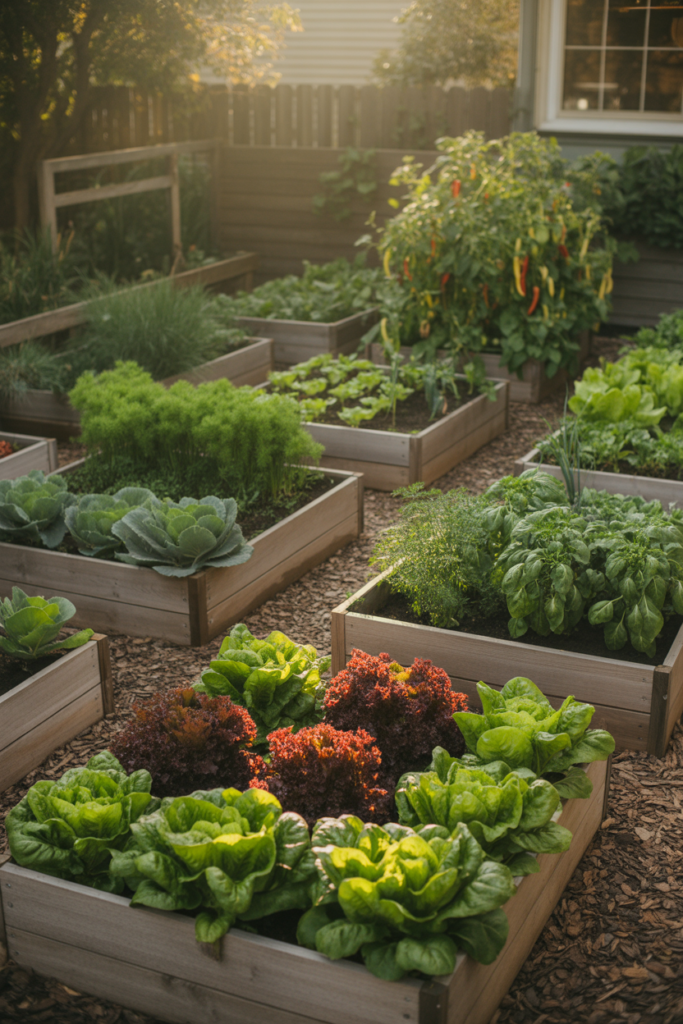
Raised bed gardening is one of the most reliable and beginner-friendly ways to design a productive backyard vegetable garden. Instead of planting directly into native soil, you build a contained structure that allows you to fully control soil quality, drainage, and plant spacing. This makes it especially useful if your backyard soil is poor, compacted, or inconsistent.
To build a raised bed, use untreated cedar or redwood, as these materials resist rot and won’t leach chemicals into your soil. A standard size is 4 feet wide (so you can reach the center easily) and 6–8 feet long. Fill the bed with a high-quality soil blend made of topsoil, compost, and organic matter such as peat moss or coconut coir. This creates a loose, nutrient-rich environment that promotes strong root growth.
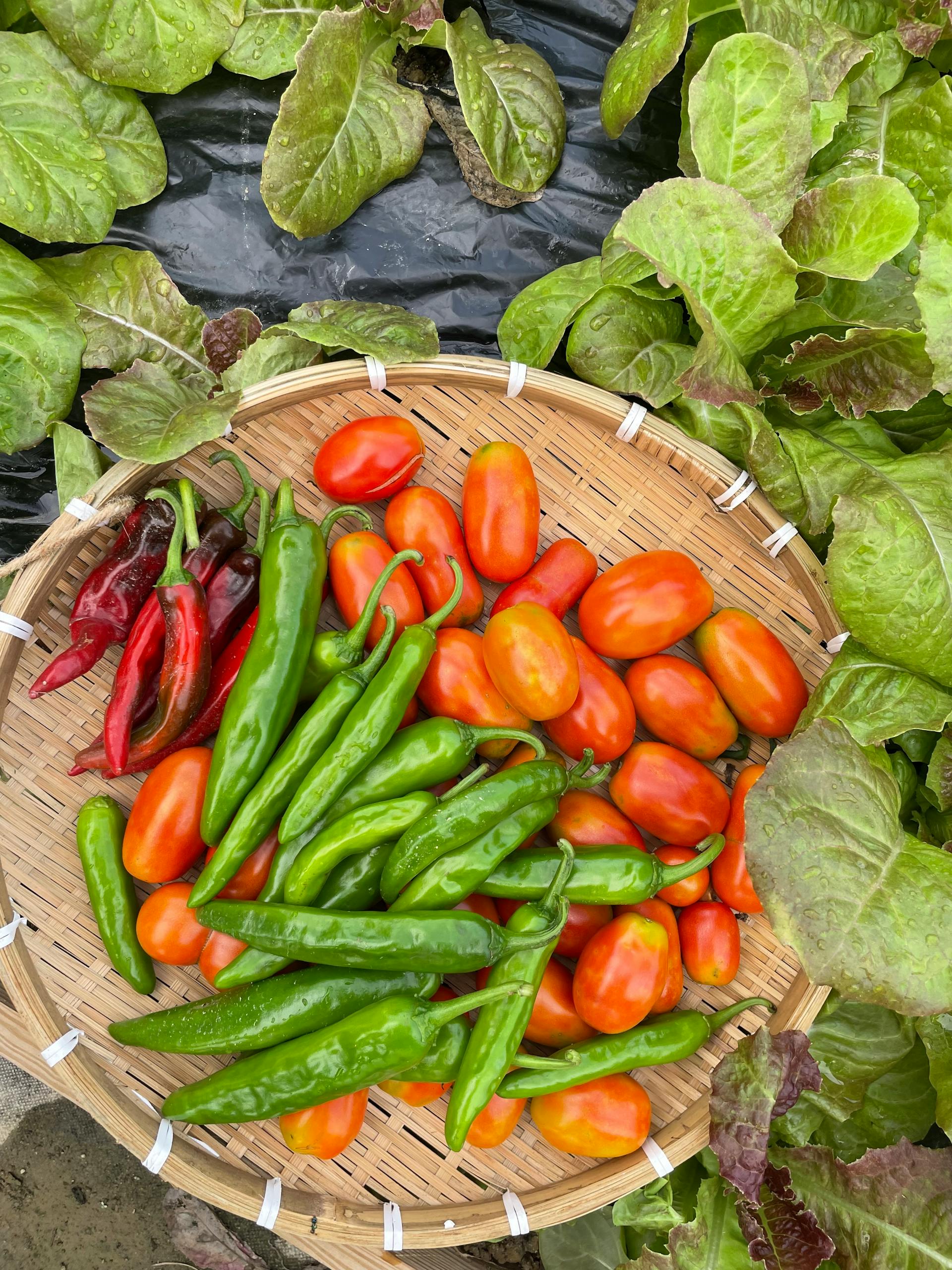
Raised beds are ideal for crops like lettuce, spinach, carrots, peppers, and herbs. You can also grow tomatoes and cucumbers if you incorporate vertical supports. Adding mulch on top helps retain moisture and suppress weeds, while drip irrigation systems can make watering efficient and consistent.
Why it’s good:
Raised beds improve drainage, warm up faster in the spring, and reduce weed pressure. They also make gardening more ergonomic since you don’t have to bend as much. Because you control the soil, plant growth tends to be faster and more predictable.
Potential downsides:
The initial cost can be higher due to materials and soil. Raised beds also dry out faster than in-ground gardens, so they require more frequent watering, especially in hot climates.
2. Square Foot Gardening Design (Maximum Yield in Small Spaces)
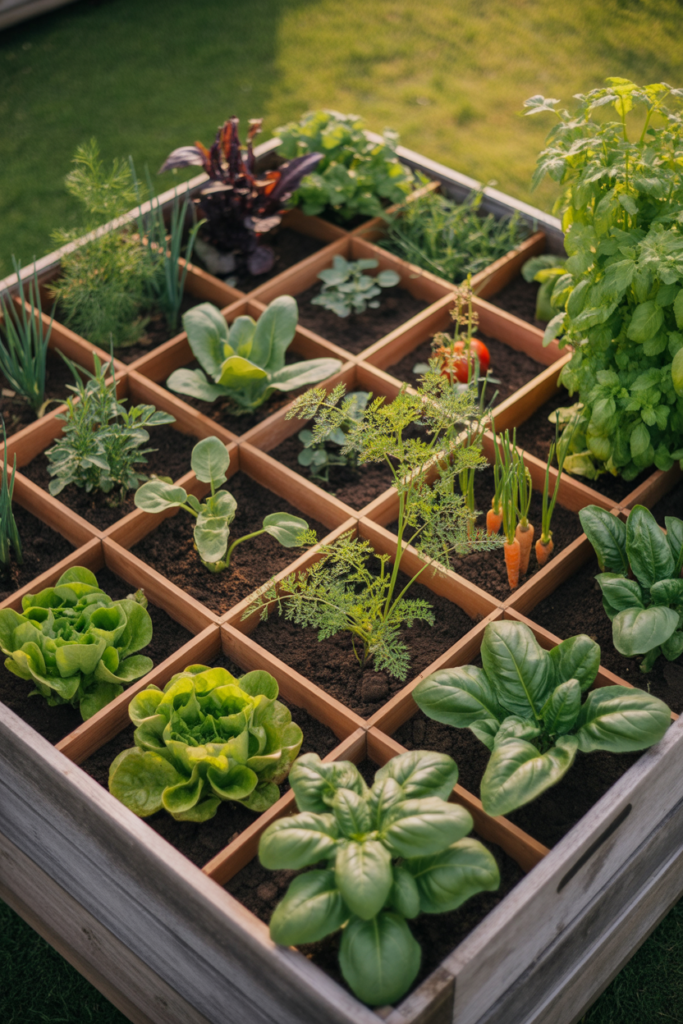
Square foot gardening is a structured method that maximizes production in limited space by dividing your garden into a grid of 1×1 foot squares. Each square is assigned a specific crop based on its spacing needs, allowing you to grow a wide variety of vegetables efficiently.
To set this up, build a raised bed and create a visible grid using string, wood slats, or dividers. Fill the bed with a lightweight, nutrient-rich soil mix, often consisting of compost, peat moss, and vermiculite. This ensures consistent growth conditions across all squares.
For example, one square can hold a single tomato plant, four lettuce plants, or up to sixteen carrots. This method eliminates wasted space and reduces the need for thinning seedlings.
Why it’s good:
It’s extremely beginner-friendly and easy to manage. The grid system simplifies planting, spacing, and crop rotation. Because plants are spaced closely, they create a canopy that helps retain moisture and suppress weeds.
Potential downsides:
It requires careful planning and maintenance of the grid system. Larger crops like pumpkins or corn don’t fit well into this method. Also, the soil mix can be more expensive upfront compared to traditional gardening.
3. Vertical Garden Setup (Space-Saving + High Productivity)
Vertical gardening focuses on growing plants upward instead of outward, making it ideal for small backyards or areas with limited ground space. By using structures like trellises, cages, arches, or wall-mounted planters, you can dramatically increase your growing capacity.
This method works best for climbing or vining crops such as cucumbers, pole beans, peas, tomatoes, and even certain squash varieties. Install supports at planting time to avoid damaging roots later, and train plants to grow upward using ties or netting.
Why it’s good:
Vertical gardening saves space, improves air circulation, and reduces disease risk by keeping plants off the ground. It also makes harvesting easier since fruits hang down and are more visible.
Potential downsides:
It requires sturdy structures that can support the weight of mature plants. Some plants may need regular training and pruning. Additionally, vertical systems can cast shade, so placement is important to avoid blocking sunlight for other crops.
4. Companion Planting Layout (Natural Pest Control System)
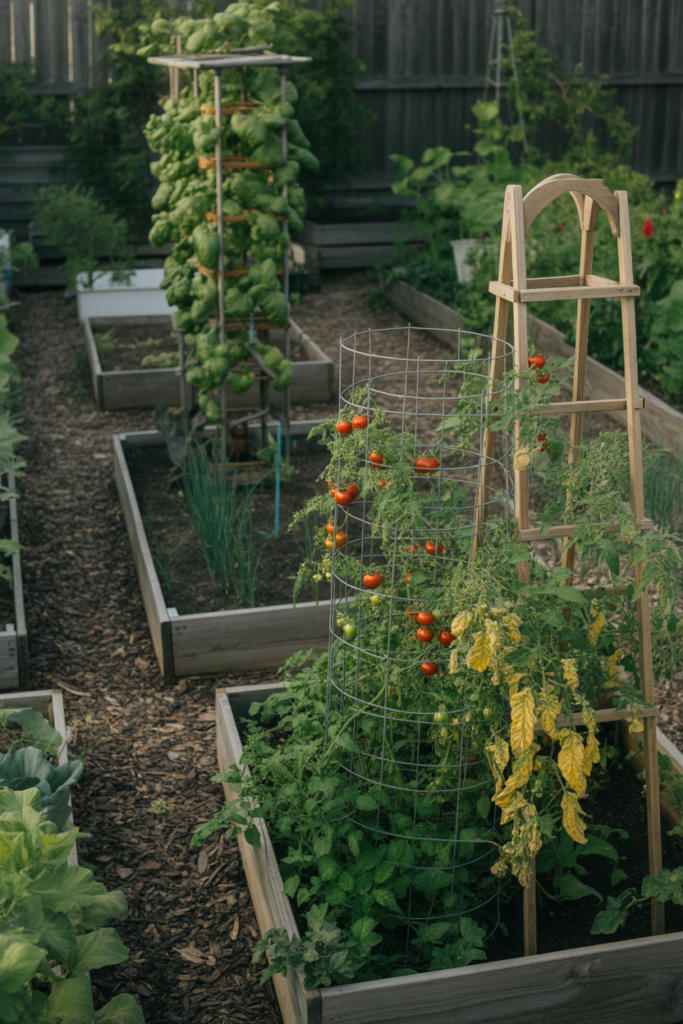
Companion planting is a strategic approach where certain plants are grown together to enhance growth and repel pests naturally. This method creates a balanced ecosystem within your garden, reducing the need for chemical pesticides.
Examples include tomatoes paired with basil, which can improve flavor and deter insects, or carrots with onions, which repel each other’s pests. Flowers like marigolds and nasturtiums can also be added to attract beneficial insects.
Why it’s good:
It promotes biodiversity, improves plant health, and reduces pest issues naturally. It also maximizes space by allowing multiple crops to coexist effectively.
Potential downsides:
It requires knowledge and planning, as not all plants are compatible. Incorrect pairings can lead to competition for nutrients or increased pest problems.
5. Brick Pathway Garden Design (Structure + Clean Layout)
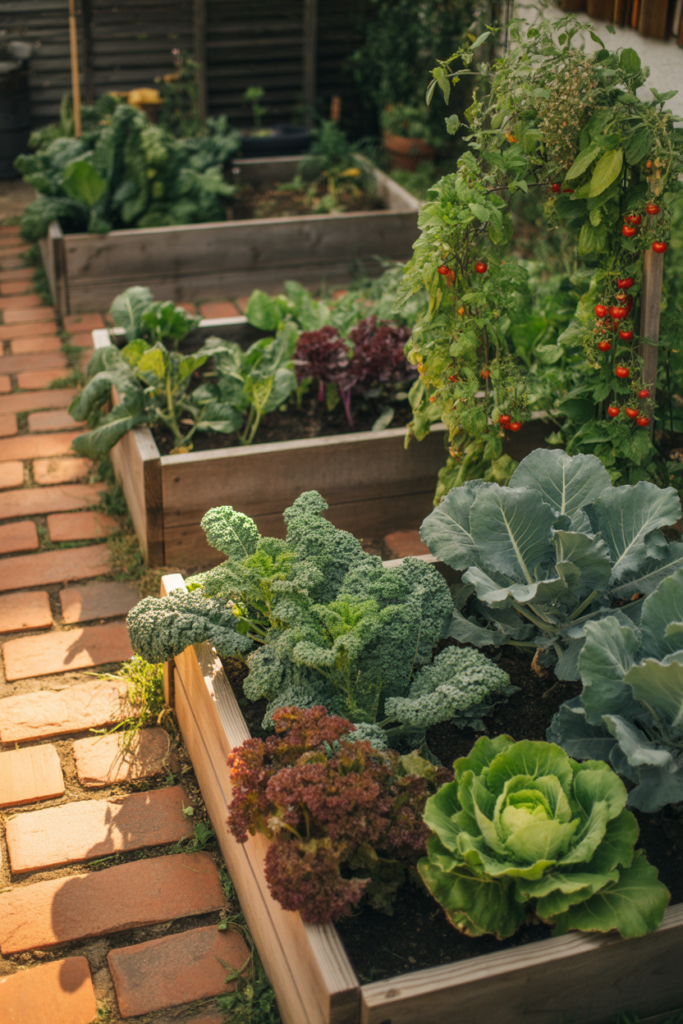
Adding brick or stone pathways to your garden improves both functionality and aesthetics. Pathways prevent soil compaction by directing foot traffic away from planting areas, which is essential for maintaining healthy root systems.
To build a pathway, lay a gravel base for drainage and place bricks or pavers on top. Ensure the path is wide enough for comfortable movement.
Why it’s good:
It keeps your garden clean, organized, and easy to navigate. It also enhances the visual appeal of your space.
Potential downsides:
Installation can be time-consuming and costly. Poorly installed pathways may shift over time.
6. Organic Garden Design (Soil-First Approach)
Organic garden design focuses on building a living soil ecosystem rather than relying on synthetic fertilizers and pesticides. The goal is to create a self-sustaining environment where plants thrive naturally.
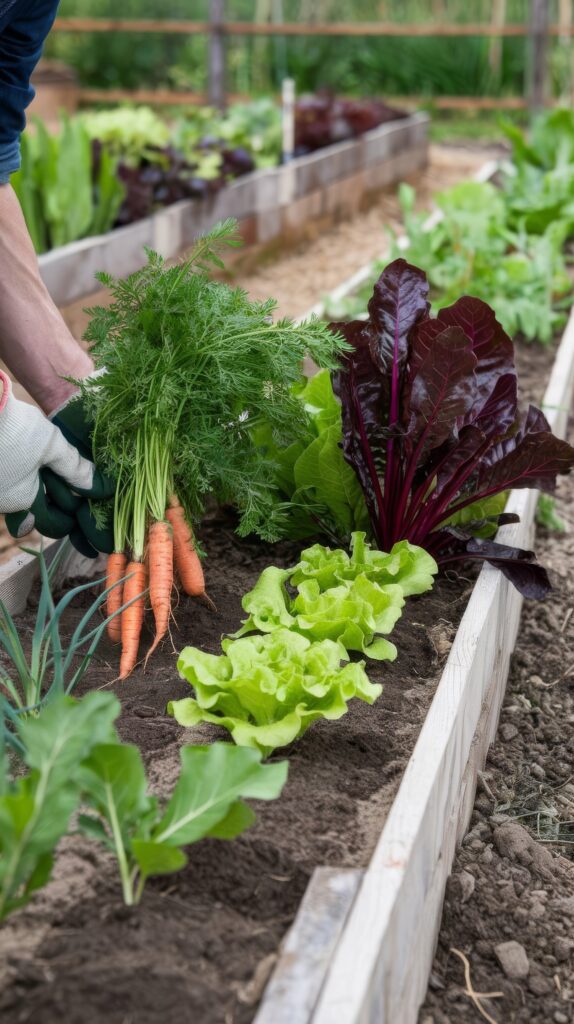
Start by improving soil health using compost, aged manure, worm castings, and organic mulch. These materials add nutrients and improve soil structure, allowing roots to grow deeper and access water more efficiently.
Mulching is a key component—apply straw, wood chips, or leaves to retain moisture, regulate temperature, and suppress weeds. For pest control, use natural solutions like neem oil, garlic spray, or introducing beneficial insects such as ladybugs.
Crop diversity is also important. Avoid planting large monocultures; instead, mix crops to reduce pest outbreaks and improve resilience.
Why it’s good:
Produces healthier, chemical-free food while improving long-term soil fertility. It also supports beneficial microorganisms and pollinators.
Potential downsides:
Results can take time, especially if your soil is poor initially. Pest control requires more observation and manual effort compared to chemical methods.
7. Kitchen Garden Layout (Convenience + Daily Use)
A kitchen garden is designed for daily access and convenience, typically located close to your home. This layout encourages frequent harvesting and ensures fresh ingredients are always within reach.
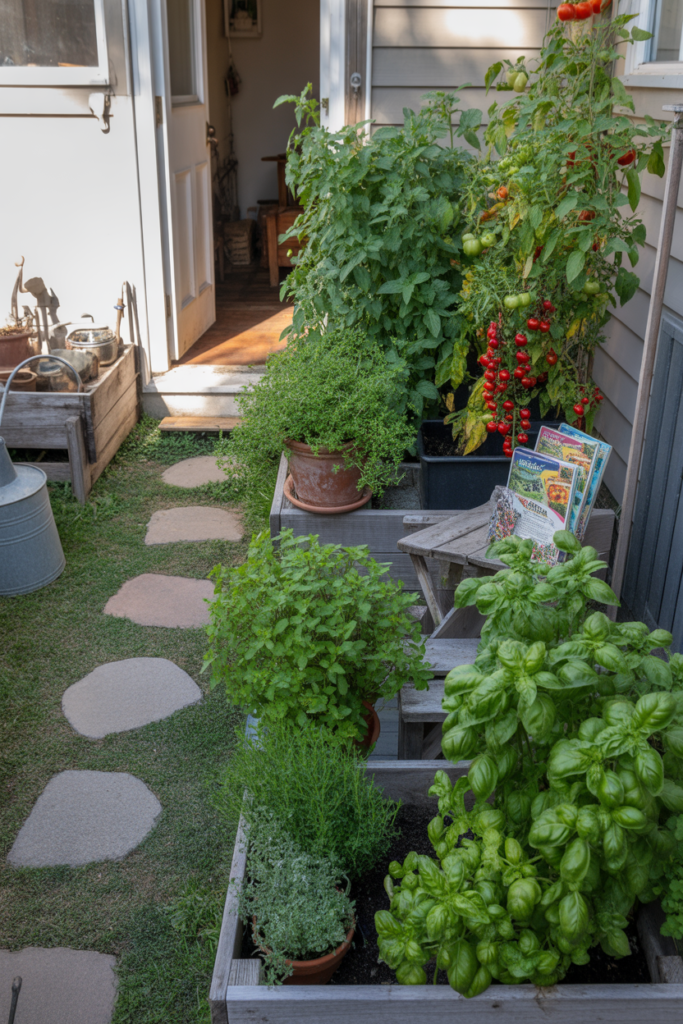
Focus on high-use crops like herbs (basil, parsley, cilantro), leafy greens, tomatoes, and peppers. Arrange plants based on frequency of use—place herbs closest to your kitchen door, followed by greens, then larger crops.
Use raised beds or containers to keep the area organized and easy to maintain. Adding stepping stones or a small pathway improves accessibility, especially during wet conditions.
Why it’s good:
You’ll harvest more often, reducing waste and increasing productivity. It also makes cooking more enjoyable since ingredients are always fresh.
Potential downsides:
Space is usually limited near the house, so you may not be able to grow larger crops like corn or pumpkins.
8. Permaculture Garden Design (Self-Sustaining Ecosystem)
Permaculture is a holistic design system that mimics natural ecosystems. Instead of separate garden elements, everything works together—plants, water, soil, and even animals.
Key features include rainwater harvesting, composting systems, and layered planting (trees, shrubs, ground cover). For example, fruit trees provide shade, while herbs and vegetables grow beneath them.
Why it’s good:
Low maintenance over time, environmentally sustainable, and highly resilient.
Potential downsides:
Complex to design and requires long-term planning. Results are not immediate.
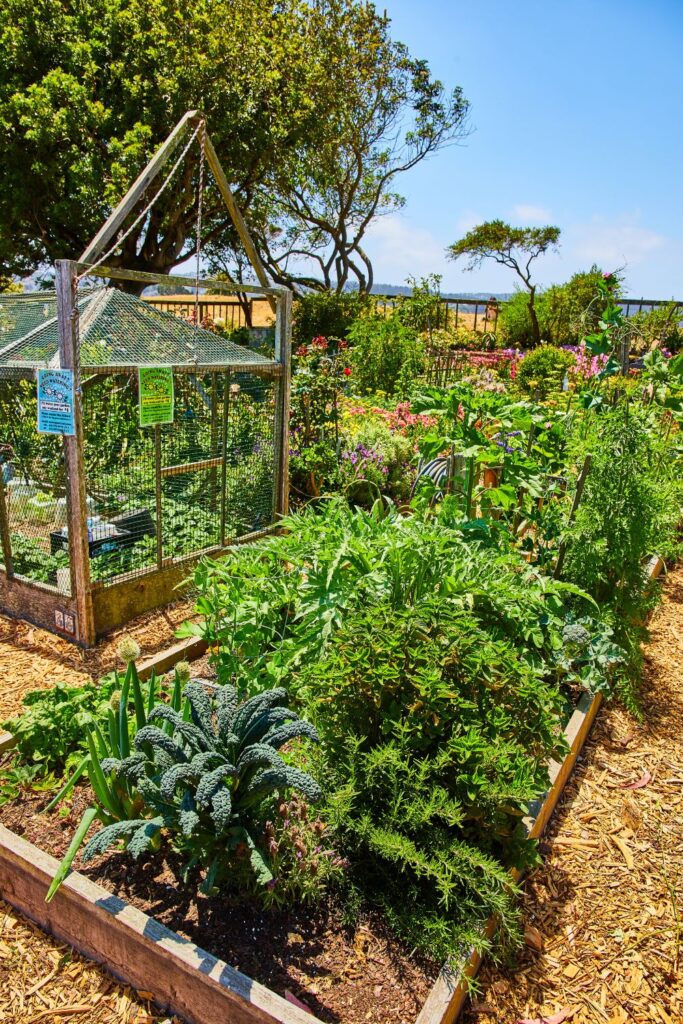
9. Row Gardening Layout (Traditional + Scalable)
Row gardening is the classic method used in farms and larger backyards. Crops are planted in long, straight rows with space between them for walking and maintenance.
Spacing is crucial—rows are typically 18–36 inches apart depending on the crop. This layout works well for corn, potatoes, beans, and large-scale vegetable production.
Why it’s good:
Simple to understand, easy to scale, and efficient for large areas.
Potential downsides:
Wastes space compared to intensive methods and allows more weeds to grow between rows.
10. Container Vegetable Garden (Flexible + Small Space Friendly)
Container gardening allows you to grow vegetables in pots, buckets, or grow bags. This is ideal for patios, balconies, or small backyards.
Choose containers with proper drainage and use high-quality potting mix. Crops like tomatoes, peppers, herbs, and lettuce perform well in containers.
Why it’s good:
Highly flexible and portable. You can move plants to optimize sunlight.
Potential downsides:
Requires frequent watering and fertilizing since nutrients deplete quickly.
11. Sun-Oriented Garden Design (Maximize Growth with Smart Placement)
A sun-oriented garden design is one of the most overlooked yet critical factors in backyard vegetable gardening. No matter how good your soil or watering system is, if your plants don’t get enough sunlight, your yields will suffer. Most vegetables require 6–8 hours of direct sunlight daily, and how you position your garden can make or break your success.
Start by observing your backyard throughout the day. Identify areas that receive full sun versus partial shade. The key principle is to design your garden in a way that prevents plants from shading each other. Taller crops like tomatoes, corn, and trellised cucumbers should always be placed on the north side of your garden. This ensures they don’t block sunlight from shorter plants like lettuce, herbs, and root vegetables.
You should also consider seasonal sun changes. In spring and fall, the sun sits lower in the sky, which can create unexpected shade patterns from fences, trees, or nearby buildings. Mapping your garden during different times of the year helps you avoid these issues.
Another smart strategy is grouping plants based on their sunlight needs. Full-sun crops should be prioritized in the brightest areas, while shade-tolerant plants like spinach or kale can be placed in slightly shaded zones.
Why it’s good:
This design maximizes plant growth, improves yields, and reduces disease by keeping plants dry and well-exposed to sunlight. It also helps you use your backyard more efficiently.
Potential downsides:
You may have limited flexibility if your yard has a lot of shade or structures blocking sunlight. It may also require repositioning beds or removing obstacles.
12. Drip Irrigation Garden System (Consistent + Efficient Watering)
Watering is one of the most time-consuming and inconsistent parts of gardening, which is why a drip irrigation system can completely transform your backyard vegetable garden. Instead of manually watering plants with a hose, drip irrigation delivers water directly to the root zone through a network of tubing and emitters.
To set up a drip system, you’ll need a main hose line connected to a water source, smaller distribution tubes, emitters for each plant, and a timer to automate the schedule. This system ensures each plant gets a steady and controlled amount of water without over-saturating the soil.
Drip irrigation is especially useful for raised beds, container gardens, and intensive planting layouts where precise watering is essential. It reduces water waste by minimizing evaporation and runoff, making it an environmentally friendly option.
Another major benefit is disease prevention. Traditional overhead watering can leave leaves wet, which encourages fungal growth. Drip systems keep foliage dry, reducing the risk of issues like mildew and blight.
Why it’s good:
Saves time, conserves water, and provides consistent moisture levels, which leads to healthier plants and higher yields. It also allows you to automate your garden, making it ideal for busy schedules.
Potential downsides:
Initial setup costs can be higher, and the system requires occasional maintenance to prevent clogs or leaks. It may also need adjustments as plants grow.
13. Pollinator-Friendly Garden Design (Boost Yield Naturally)
A pollinator-friendly garden design focuses on attracting beneficial insects like bees, butterflies, and hoverflies, which are essential for fruit and vegetable production. Without pollinators, many crops—especially tomatoes, cucumbers, and squash—will produce fewer fruits.
To create this design, integrate flowering plants throughout your vegetable garden rather than separating them. Flowers like marigolds, lavender, sunflowers, and zinnias not only attract pollinators but also help repel harmful pests.
Plant diversity is key. Choose a variety of flowers that bloom at different times to provide a continuous food source for pollinators throughout the growing season. Avoid using chemical pesticides, as these can harm beneficial insects.
Another effective strategy is adding shallow water sources, such as a small dish with stones, to provide hydration for pollinators.
Why it’s good:
Improves pollination rates, leading to higher yields and better-quality produce. It also creates a more balanced ecosystem and enhances the beauty of your garden.
Potential downsides:
Flowers take up space that could be used for vegetables, and maintaining a balanced ecosystem requires some planning.
14. No-Dig Garden Method (Low Effort + Soil Health Focus)
The no-dig method is a revolutionary approach that eliminates the need for tilling or turning the soil. Instead, you build layers of organic material on top of the ground, allowing natural processes to improve soil health over time.
Start by laying down cardboard or newspaper to suppress weeds. Then add layers of compost, organic matter, and mulch. Over time, these materials break down and create rich, fertile soil.
This method protects the soil’s natural structure and preserves beneficial microorganisms, which play a crucial role in plant health. It also reduces weed growth and improves moisture retention.
No-dig gardening works well for raised beds, in-ground gardens, and even converting lawns into productive growing spaces.
Why it’s good:
Requires less physical labor, improves soil health, and reduces weeds. It’s also highly sustainable and beginner-friendly.
Potential downsides:
It takes time for the layers to break down and become fully productive. Initial setup requires a large amount of organic material.
15. Edible Landscaping Design (Beauty + Function Combined)
Edible landscaping blends traditional garden aesthetics with food production, allowing you to grow vegetables, fruits, and herbs in a visually appealing way. Instead of separating your garden from your yard, you integrate it into your overall landscape design.
For example, kale and lettuce can be used as decorative borders, strawberries can act as ground cover, and herbs can be planted along pathways. You can even incorporate fruit trees or berry bushes as focal points.
This design focuses on color, texture, and structure. Mixing different plant heights and varieties creates a layered, dynamic look that enhances your backyard’s visual appeal.
Why it’s good:
Transforms your garden into a beautiful, functional space. It maximizes the use of your yard while producing food.
Potential downsides:
Requires more planning and maintenance to keep the design looking balanced. Some crops may not fit well into aesthetic layouts.
16. Crop Rotation Garden Plan (Protect Soil + Prevent Problems)
Crop rotation is one of the most powerful long-term strategies for maintaining a healthy and productive backyard vegetable garden. Instead of planting the same crops in the same location every year, you rotate plant families across different beds or sections. This prevents nutrient depletion, reduces pest buildup, and minimizes soil-borne diseases.
To implement crop rotation, divide your garden into zones (beds or sections). Group crops into families such as:
- Leafy crops: lettuce, spinach, kale
- Root crops: carrots, beets, onions
- Fruiting crops: tomatoes, peppers, cucumbers
- Legumes: beans, peas (these fix nitrogen in the soil)
Each year, rotate these groups into a new section. For example, if tomatoes were planted in one bed this year, move them to a different bed next season and plant something like leafy greens or legumes in their place.
This method works because different crops use and replenish nutrients differently. Legumes, for instance, add nitrogen back into the soil, which benefits future crops.
Why it’s good:
Prevents soil exhaustion, reduces pests and diseases naturally, and improves long-term yields. It also helps maintain a balanced soil ecosystem without relying heavily on fertilizers.
Potential downsides:
Requires planning and record-keeping. In smaller gardens, rotation options may be limited due to space constraints.
17. Harvest-Friendly Layout (Designed for Ease + Efficiency)
A harvest-friendly layout focuses on making your garden easy to access, maintain, and harvest. Many gardeners underestimate how much layout impacts daily usability. If your garden is difficult to navigate, you’re less likely to harvest regularly—and that leads to wasted produce.
Start by placing frequently harvested crops—like herbs, lettuce, tomatoes, and peppers—closer to pathways or entry points. These are the plants you’ll visit often, so easy access is key. Larger or less frequently harvested crops, such as potatoes or squash, can be placed farther away.
Incorporate wide, clear pathways between beds to allow comfortable movement. Raised beds should be narrow enough (about 4 feet wide) so you can reach the center without stepping into the soil. This prevents compaction and keeps plants healthier.
You can also design your layout in zones based on how often you interact with each crop. High-maintenance or fast-growing plants should be in the most accessible areas.
Why it’s good:
Saves time, reduces physical strain, and encourages consistent harvesting, which leads to higher productivity. It also makes routine tasks like pruning and watering much easier.
Potential downsides:
May limit how densely you can plant since space is allocated for accessibility. It also requires thoughtful planning upfront.
18. Wind-Protected Garden Design (Shield + Stability)
Wind is often an overlooked factor in garden design, but strong or consistent winds can damage plants, dry out soil, and reduce overall productivity. A wind-protected garden uses barriers to create a more stable growing environment.
Common windbreak options include fences, hedges, trellises, or even strategically placed taller plants. The goal is not to completely block wind but to reduce its intensity. Solid barriers can create turbulence, so semi-permeable options like lattice fences or shrubs work best.
Position windbreaks on the side of your garden that receives the strongest winds (often the west or north, depending on your location). This protects delicate plants like tomatoes, peppers, and leafy greens from damage.
Wind protection also helps retain moisture in the soil, reducing the need for frequent watering. It can also create a slightly warmer microclimate, which benefits plant growth.
Why it’s good:
Prevents physical damage to plants, reduces moisture loss, and creates a more stable growing environment.
Potential downsides:
Poorly placed barriers can block sunlight or reduce airflow too much, leading to humidity issues and potential disease.
19. Wooden Raised Bed Aesthetic Design (Function Meets Visual Appeal)
While raised beds are highly functional, elevating their design can transform your backyard into a visually stunning space. Aesthetic wooden raised beds combine productivity with landscaping appeal, making your garden feel intentional and cohesive.
Use high-quality wood like cedar or redwood, and consider painting or staining it to match your home or outdoor décor. Arrange beds in symmetrical patterns or geometric layouts for a clean, organized look. Adding borders, corner caps, or decorative edges can further enhance the design.
Incorporate pathways between beds using gravel, mulch, or pavers to create contrast and improve accessibility. You can also integrate vertical elements like trellises or arches to add height and dimension.
This design works especially well in suburban backyards where appearance matters just as much as function.
Why it’s good:
Creates a polished, high-end look while maintaining all the benefits of raised bed gardening. It can also increase property appeal and enjoyment of the space.
Potential downsides:
Higher upfront cost due to materials and design elements. It may also require maintenance, such as resealing or repainting over time.
20. Rainwater Harvesting Garden (Sustainable + Cost-Effective)
Rainwater harvesting is an eco-friendly garden design strategy that collects and stores rainwater for irrigation. Instead of relying solely on tap water, you can use natural rainfall to keep your garden hydrated.
The most common setup involves installing rain barrels connected to your home’s gutter system. When it rains, water flows from the roof into the barrels, where it can be stored and used later. You can connect hoses or drip irrigation systems to distribute the water efficiently.
Rainwater is naturally free of chemicals like chlorine, making it better for plants. It also helps reduce water bills and conserves resources.
For larger systems, you can install multiple barrels or underground storage tanks to increase capacity. Position them near your garden for easy access.
Why it’s good:
Reduces water costs, conserves resources, and provides a natural water source for plants. It’s especially useful in areas with water restrictions.
Potential downsides:
Initial setup requires investment and planning. Storage capacity may be limited during dry periods, and systems need maintenance to prevent debris buildup.
21. Herb Spiral Garden Design (Compact + Microclimate Efficiency)
An herb spiral garden is one of the most creative and space-efficient designs you can add to your backyard vegetable garden. Instead of planting herbs in flat beds, this design uses a vertical spiral structure that creates multiple microclimates within a very small footprint.
To build an herb spiral, use materials like bricks, stones, or concrete blocks to form a spiral mound about 2–3 feet high. Fill it with well-draining soil, and design it so the top is drier and the bottom retains more moisture. This allows you to grow a variety of herbs with different needs in one structure.
For example, plant drought-tolerant herbs like rosemary and thyme at the top where drainage is highest. Mid-level areas can support oregano and sage, while the base—where moisture collects—is perfect for parsley, cilantro, or mint.
The spiral shape also maximizes sun exposure, as different sides receive varying amounts of sunlight throughout the day. This makes it highly efficient for small backyards or patios.
Why it’s good:
Maximizes space, creates natural microclimates, and adds a visually unique focal point to your garden. It’s perfect for growing multiple herbs in one compact area.
Potential downsides:
Limited to smaller plants like herbs and requires careful construction to ensure stability and proper drainage.
22. Mixed Flower + Vegetable Garden (Biodiversity + Natural Balance)
A mixed flower and vegetable garden combines edible crops with ornamental plants to create a balanced and visually appealing ecosystem. Instead of separating flowers and vegetables, you integrate them throughout your garden beds.
Flowers like marigolds, calendula, zinnias, and nasturtiums play an important role. They attract pollinators such as bees and butterflies, which increase fruit production. At the same time, some flowers act as natural pest repellents, protecting nearby vegetables.
Design your layout by interplanting flowers between vegetables or using them as borders around beds. For example, marigolds can be planted alongside tomatoes, while nasturtiums can trail along edges to deter pests.
This design not only improves plant health but also enhances the overall look of your garden, making it feel more like a landscaped space than a traditional vegetable plot.
Why it’s good:
Improves pollination, reduces pest problems naturally, and creates a vibrant, attractive garden.
Potential downsides:
Requires planning to ensure flowers don’t compete with vegetables for space, nutrients, or sunlight.
23. Root Crop Garden Beds (Optimized for Underground Growth)
Root crops like carrots, potatoes, beets, and onions require specific soil conditions to grow properly. A dedicated root crop bed is designed to provide loose, deep, and well-draining soil that allows roots to develop without obstruction.
To set up a root crop bed, avoid heavy or compacted soil. Instead, use a mix of sandy loam, compost, and organic matter to create a soft texture. Remove rocks and debris that could cause roots to grow irregularly or become stunted.
Raised beds work especially well for root crops because they allow you to control soil depth and quality. Ensure the bed is at least 10–12 inches deep for optimal root development.
Spacing is also important—crowded roots can compete and grow poorly. Follow recommended spacing guidelines for each crop.
Why it’s good:
Creates ideal conditions for uniform, healthy root growth and improves overall yield.
Potential downsides:
Limits crop diversity in that specific bed and requires careful soil preparation.
24. Intensive Planting Design (Maximum Yield per Square Foot)
Intensive planting is all about maximizing production in limited space by planting crops closer together than traditional methods. Instead of leaving wide gaps between plants, you create a dense canopy that uses every inch of available space.
This method works best with nutrient-rich soil and consistent watering, as plants are competing more closely for resources. Crops like lettuce, spinach, carrots, and herbs are ideal for intensive planting.
The dense spacing also helps shade the soil, reducing moisture loss and suppressing weeds naturally. This makes maintenance easier once the plants are established.
However, planning is critical. You need to understand plant growth habits and ensure they have enough room to mature without overcrowding.
Why it’s good:
Maximizes yield in small spaces, reduces weeds, and improves efficiency.
Potential downsides:
Requires careful management of nutrients and water. Overcrowding can lead to disease or reduced airflow if not properly planned.
25. Backyard Greenhouse Design (Extend Your Growing Season)
A backyard greenhouse allows you to grow vegetables beyond the typical outdoor growing season by creating a controlled environment. This is especially useful for starting seedlings early in the spring or continuing production into the fall and winter.
Greenhouses can range from simple plastic hoop houses to more permanent glass structures. Inside, you can control temperature, humidity, and even protect plants from pests and harsh weather.
This design is ideal for growing crops like tomatoes, peppers, leafy greens, and herbs year-round. It also gives you more flexibility in experimenting with different plant varieties.
To maximize efficiency, position your greenhouse in a location that receives full sunlight and ensure proper ventilation to prevent overheating.
Why it’s good:
Extends your growing season, increases production, and protects plants from environmental stress.
Potential downsides:
Higher upfront cost and ongoing maintenance. Temperature control can also be challenging without proper ventilation systems.